
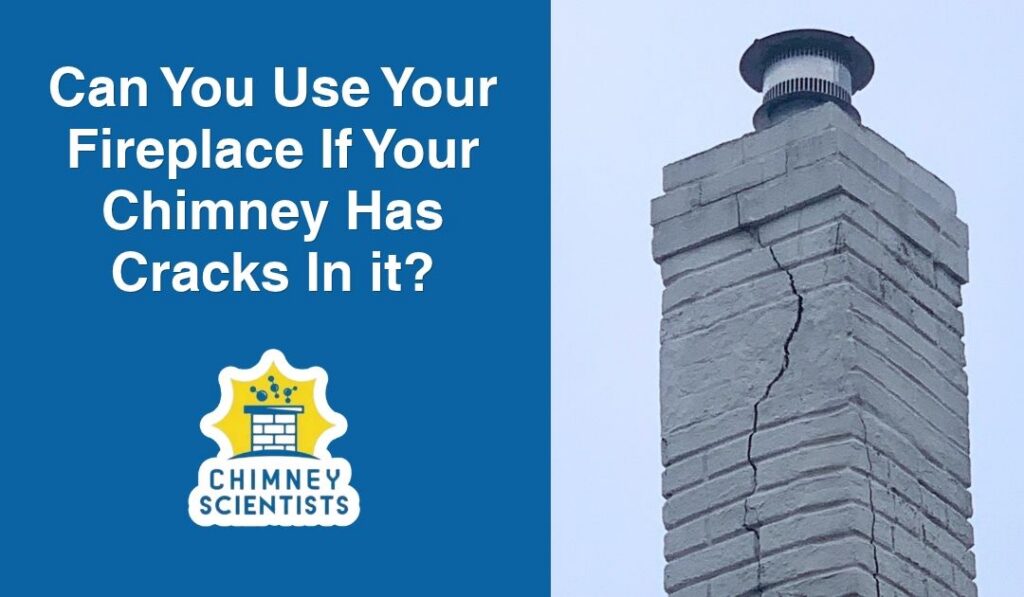
Finding cracks in your fireplace or chimney can be worrying, especially when you’re getting ready to use it again in the fall. But does a cracked chimney mean your fireplace is unsafe?
It depends on where the cracks are and how serious the damage is. Cracks in the firebox, exterior bricks, and chimney liner can all mean different things. Some may only need minor repairs, while others can create serious safety risks.
Here’s what homeowners should know about the different types of chimney cracks, what causes them, and when to call a professional.
Is It Safe to Use a Fireplace With a Cracked Chimney?
A cracked chimney doesn’t always mean you need major repairs, but you shouldn’t assume it’s safe to use just because the cracks look small.
Depending on where they’re located, cracks can allow heat, smoke, or harmful gases to escape into areas of your home where they shouldn’t be. They can also let water into the chimney, causing more damage over time.
If you notice cracks in your fireplace or chimney, avoid using it until a professional chimney inspection can determine whether it’s safe and what repairs, if any, are needed.
Common Types of Fireplace and Chimney Cracks
Not all cracks are the same. Where they’re located can tell you a lot about what might be wrong and how serious the problem could be.
Cracks in the Fireplace Firebox
The firebox is the area inside your fireplace where the wood burns. Because it’s exposed to high temperatures, the bricks and mortar can wear down over time.
A cracked fireplace firebox may have:
- Cracked firebricks: The heat-resistant bricks inside the fireplace may develop fractures.
- Damaged mortar: The material holding the bricks together may crack, crumble, or fall out.
- Loose bricks: Bricks may shift or become unstable as the surrounding mortar deteriorates.
Even small cracks deserve attention because the firebox is designed to keep intense heat contained.
Exterior Chimney Masonry and Mortar Cracks
The brickwork on the outside of your chimney is constantly exposed to rain, snow, and changing temperatures. Over time, this can cause chimney mortar cracks and other damage.
Common signs include:
- Cracked mortar joints: Gaps appear between the bricks.
- Flaking or crumbling bricks: Pieces of the brick surface begin breaking away.
- Long or stair-step cracks: Cracks extend across several bricks or mortar joints.
- Loose masonry: Bricks or mortar begin separating from the chimney.
Some exterior cracks may only require minor repairs, while others can point to water damage or problems with the chimney’s structure.
Cracks in the Chimney Flue Liner
Inside your chimney is a liner that helps carry smoke and gases safely out of your home. It also helps protect the surrounding structure from the intense heat produced by a fire.
Over time, chimney liners can crack from repeated heating and cooling, age, or damage caused by a chimney fire.
Unlike exterior cracks, a cracked chimney liner usually isn’t something you can see from the fireplace opening. A professional may need to use a specialized camera to find the damage.
Can You Use a Chimney With a Cracked Liner?
No. If your chimney liner is cracked, you shouldn’t use the fireplace until a professional has inspected it and addressed the damage.
Your chimney liner helps keep heat, smoke, and harmful gases contained as they travel up and out of your home. If the liner cracks, heat and gases can escape through those openings, potentially creating fire hazards or allowing smoke and carbon monoxide into your home.
Because the liner is hidden inside the chimney, you may not realize there’s a problem. A professional chimney inspector can use a camera to check the liner and determine whether it needs to be repaired or replaced.
What Causes Chimney and Fireplace Cracks?
Chimney cracks can develop for several reasons, and figuring out what caused them is an important part of making the right repair.
Some of the most common causes include:
- Repeated heating and cooling: Fireplace materials expand when heated and contract as they cool, which can eventually lead to cracks.
- Water damage: Rain or melting snow can seep into masonry and weaken bricks and mortar.
- Freezing temperatures: Water trapped inside bricks or mortar expands when it freezes, making existing cracks worse.
- Chimney fires: Extremely high temperatures can crack chimney liners and damage other components.
- Settling: Movement in the home’s foundation or chimney structure can cause masonry to crack.
- Normal aging: Bricks, mortar, and chimney liners can deteriorate after years of use and exposure to the elements.
Water damage is especially common in southeastern Pennsylvania, where chimneys are exposed to rain, snow, and repeated freezing and thawing. Addressing chimney water intrusion can help prevent further deterioration.
Older homes throughout Philadelphia and the surrounding suburbs may also have historic brickwork that requires special care and compatible repair materials.
How Do You Know If Chimney Cracks Are Serious?
Some chimney problems are easy to spot, but others may be hidden inside the chimney.
Signs that your chimney may need professional attention include:
- Cracks running through several bricks or mortar joints
- Loose or crumbling bricks
- Missing mortar inside the fireplace
- Pieces of clay chimney liner falling into the firebox
- Smoke entering your home when the fireplace is in use
- Water stains or moisture around the chimney
- Signs of a previous chimney fire
Even if you don’t notice any of these problems, damage can still be present inside the chimney. An inspection can help identify issues that aren’t visible from the outside.
How Are Cracked Chimneys Repaired?
The right chimney crack repair depends on where the damage is and how extensive it is. Some cracks can be fixed with relatively simple repairs, while others require more involved work.
Fireplace Firebox and Mortar Repairs
If the mortar between your firebricks is cracked or missing, a chimney professional may be able to repair those joints using special heat-resistant mortar.
Cracked or loose firebricks may also need to be replaced. The goal is to restore the firebox so it can safely contain the heat produced by your fireplace.
Chimney Masonry Repairs
Exterior chimney cracks can sometimes be repaired by replacing damaged mortar, repairing individual bricks, or rebuilding a damaged section of the chimney.
Professional chimney masonry repair should also address what’s causing the damage, particularly if water is getting into the brickwork.
Older masonry chimneys may require different materials than newer ones. For example, some historic Philadelphia homes were built with softer bricks and lime-based mortar that can be damaged by modern repair materials that are too hard.
Chimney Relining and Resurfacing
If your chimney liner is cracked or deteriorating, it may need to be repaired or replaced.
Chimney relining involves installing a new liner to provide a safe passage for smoke and gases.
In some cases, chimney resurfacing may be an option for restoring the inside of an existing chimney without installing a completely new liner.
Chimney Scientists uses camera inspections and other diagnostic tools to determine the extent of the damage and recommend the most appropriate repair. Not every cracked chimney needs to be completely rebuilt.
Why Fall Is a Good Time to Address Chimney Cracks
Fall is when many Pennsylvania homeowners start getting their fireplaces ready for colder weather. It’s also a good time to check for damage that may have developed since the last heating season.
Cracks that formed or worsened over the spring and summer may go unnoticed until you start using your fireplace again. Once winter arrives, freezing temperatures and moisture can make existing masonry damage worse.
Having your chimney inspected in the fall gives you time to address any problems before you begin using your fireplace regularly.
Have Your Chimney Inspected Before Lighting a Fire
A cracked chimney doesn’t always mean an expensive repair, but it’s important to know what you’re dealing with before using your fireplace.
At Chimney Scientists, we use specialized cameras, detailed photos, and other tools to identify chimney damage and explain exactly what we find. Our team also has experience working with older masonry chimneys throughout Philadelphia and the surrounding communities like Bryn Mawr, West Chester, and Warminster.
Whether you’ve noticed cracks inside your fireplace, crumbling mortar outside, or signs of a damaged liner, we can help you understand the problem and your repair options.
Contact Chimney Scientists to schedule an inspection before lighting your next fire.
FAQs About Cracked Chimneys and Fireplaces
Can I Use My Fireplace If There Are Cracks in the Firebox?
It’s best to have the cracks inspected before using your fireplace. Some may only require minor mortar or firebrick repairs, while others can affect the firebox’s ability to contain heat safely.
Are Hairline Cracks in Fireplace Mortar Dangerous?
Not all hairline cracks are serious, but even small cracks can grow over time. Their location and depth matter, so it’s worth having them checked before using the fireplace.
How Can I Tell If My Chimney Liner Is Cracked?
Cracked chimney liners often don’t have obvious warning signs. You might notice pieces of broken clay tile in your fireplace, but many cracks are only discovered during a professional camera inspection.
Can a Cracked Chimney Cause a House Fire?
Yes. Cracks in certain parts of the chimney, particularly the flue liner, can allow excessive heat to reach nearby combustible materials. That’s why it’s important to have suspected damage inspected before using the fireplace.
Can Chimney Cracks Be Repaired Without Rebuilding the Chimney?
Yes, in many cases. Depending on the damage, repairs may involve replacing mortar, repairing bricks, installing a new liner, or resurfacing the chimney’s interior. A full rebuild is generally reserved for more extensive damage.