Home » Chimney Services » Liner Install
If your chimney liner is cracked, deteriorating, or missing altogether, it’s time to consider a full chimney relining. A damaged flue liner can lead to smoke backup, carbon monoxide exposure, and even chimney fires. At Chimney Scientists, we provide expert chimney relining services across the Greater Philadelphia and Pocono regions, including Philadelphia, Bucks, Montgomery, Chester, Delaware, Carbon, Lehigh, and Monroe counties.
Whether you’re upgrading for safety, efficiency, or code compliance, our certified team delivers reliable chimney flue installation solutions built to last.
Chimney relining involves removing or bypassing a damaged or outdated liner and installing a new, properly sized flue liner inside your chimney. This service is essential when your existing liner is no longer safe or functional, or when you’re switching fuel types (such as converting to gas).
Your chimney may need to be relined if one or more of the following is true:
Unlike a repair, which addresses localized issues, chimney liner replacement restores the full system with new, high-performance materials.
Not all liner damage is visible to the naked eye. A professional chimney inspection is often the best way to determine whether your chimney requires relining.
Common signs that your chimney needs to be relined include:
If your chimney is exhibiting any of these signs, schedule an evaluation right away. In some cases, we may recommend chimney flue repair as a smaller fix, but often, relining is the safest long-term solution.
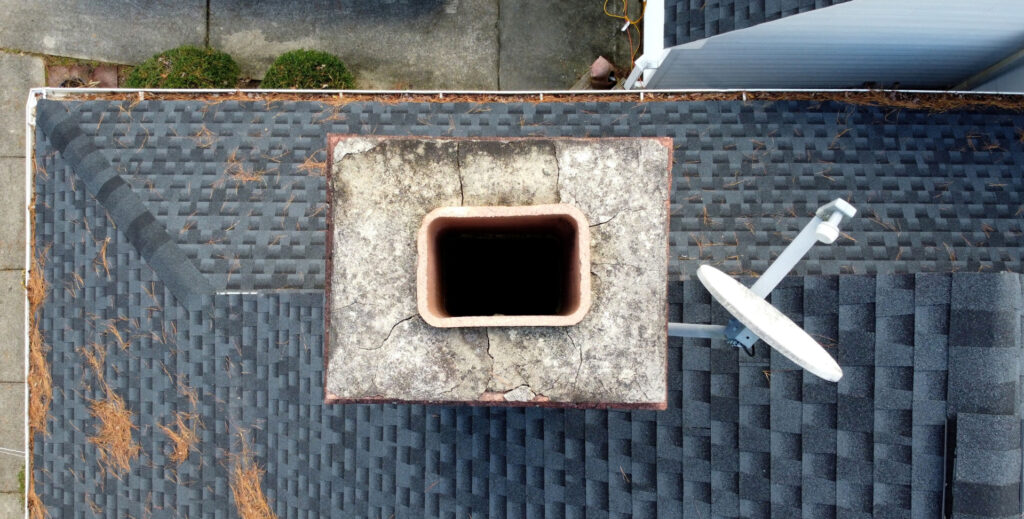
Our chimney relining service is handled start to finish by CSIA-certified technicians using industry-standard materials and installation techniques. Here’s what to expect:
We also offer chimney cleaning services before relining to ensure debris doesn’t compromise your new system.
As experienced chimney lining installers, we offer a range of flue liner options depending on your chimney structure, heating appliance, and fuel type:
Each liner type is installed according to NFPA 211 standards and local code requirements for safety and performance.
A new chimney liner installation offers benefits far beyond safety. Homeowners choose to reline their chimneys to:
Relining is one of the most important upgrades you can make to your chimney and one that can prevent costly repairs in the future. If your chimney structure also needs attention, we can assist with exterior chimney repair at the same time.
Chimney Scientists provides expert chimney relining services across southeastern Pennsylvania and the Pocono region. Our service areas include:
Whether you’re upgrading a historic chimney or preparing a home for sale, our team brings trusted experience and local insight to every job.
Not sure if you need a full chimney relining or just a repair? Our certified technicians will inspect your flue, explain your options, and provide a detailed quote without the upsell. If a full liner replacement is needed, we’ll make the process straightforward and stress-free.
Contact Chimney Scientists today to schedule your chimney liner estimate and get your fireplace or appliance venting safely again.
Chimney relining involves replacing the existing flue liner with a new one—typically made of stainless steel or another approved material—to restore safe and efficient venting for your fireplace or appliance.
You may need relining if your flue liner is cracked, missing tiles, corroded, or unlined altogether. A professional chimney inspection is the best way to determine whether relining is necessary.
We install stainless steel, aluminum, and cast-in-place liners. The best choice depends on your fuel type, appliance, and chimney structure.
Most relining jobs can be completed in one day, though larger or more complex installations may require additional time for preparation and curing.
Yes, you can reline a gas chimney, and it is often required when switching from wood to gas, as it ensures proper draft and prevents moisture-related damage from gas combustion byproducts.
Chimney repair typically involves fixing localized damage, such as sealing gaps or patching mortar. Relining is a full-system upgrade that replaces the entire flue liner for long-term safety and code compliance.