
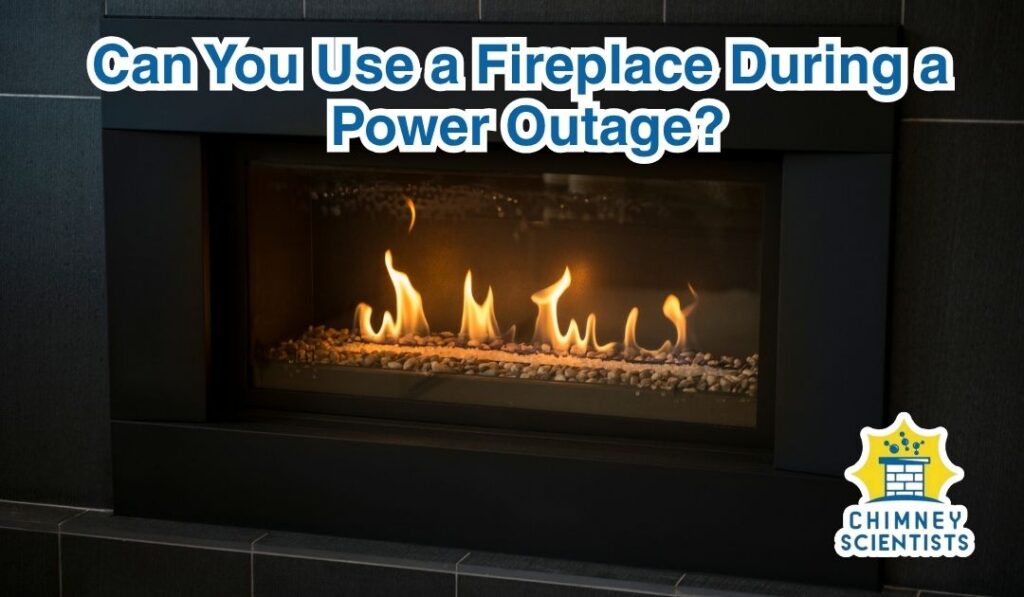
When winter weather knocks out the power, a fireplace can provide a valuable source of backup heat. But whether you can safely use a fireplace during a power outage depends on the type of system you have and whether it relies on electricity for ignition, controls, or other components.
Traditional wood-burning fireplaces and stoves generally don’t need electricity to produce heat. Gas fireplaces are more complicated: some can operate without power, while others cannot. Knowing how your system works before an outage can help you prepare for winter weather.
Can You Use a Fireplace Without Electricity?
Some fireplaces can operate without household electricity, but it depends on the system.
Traditional wood-burning fireplaces rely on firewood and natural chimney draft, while gas appliances may use electrical ignition, valves, blowers, thermostats, or other controls. If you’re planning to use a fireplace without electricity, check your owner’s manual beforehand to learn which components will continue working.
Will My Gas Fireplace Work in a Power Outage?
If you’re wondering if your gas fireplace will work during a power outage, the answer depends on its ignition and control system.
Some gas fireplaces can operate without household electricity, while others require power. Certain systems also have battery backup. Check the manufacturer’s instructions rather than assuming a gas-burning appliance will automatically work without electricity.
If you’re considering an upgrade, professionally installed gas fireplace inserts are available with different ignition, control, and heating options.
Gas Fireplaces With Standing Pilot Lights
Some gas fireplaces use a standing pilot light to ignite the main burner. Depending on the appliance’s controls, these systems may be able to operate without household electricity.
Always check the instructions for your particular model before relying on it during an outage.
Gas Fireplaces With Electronic Ignition
Modern gas fireplaces often use electronic ignition. Some include battery backup that allows the ignition system to operate during an outage, while others require household power.
If your fireplace has a battery backup, learn how it works and which batteries it requires before an outage occurs.
What About the Fireplace Blower?
Fireplace blowers use electricity to circulate heated air. A gas fireplace may therefore be able to produce flames during an outage even though its blower doesn’t work.
Without the blower, the fireplace can still provide some warmth, but heat distribution may be reduced.
Can You Use Gas Logs During a Power Outage?
Whether decorative gas logs work during an outage depends on their ignition and control system. Some can operate without household electricity, while others rely on powered controls.
Keep in mind that many gas-log systems are designed primarily for appearance and ambiance rather than significant supplemental heating. Always follow the manufacturer’s instructions for your system.
Can I Use a Wood-Burning Fireplace During a Power Outage?
Traditional wood-burning fireplaces generally don’t need electricity, making them useful during winter outages when the fireplace and chimney are in safe working condition.
Normal fireplace safety still applies. Use seasoned firewood, maintain adequate airflow, use a fireplace screen, and make sure the chimney is free from dangerous obstructions or excessive creosote.
Regular professional chimney cleaning can address soot and creosote buildup before cold weather arrives.
Can I Use a Wood Stove During a Power Outage?
In many cases, yes. A traditional wood-burning stove can produce heat without household electricity.
Some stoves use electric blowers or fans to help distribute heat. Those components may stop working during an outage, even though the stove can continue to burn. Check your appliance instructions so you know what to expect.
Can a Fireplace Heat Your Home During a Power Outage?
Using a fireplace for heating your home during a power outage doesn’t necessarily mean it can replace your normal heating system.
An open wood-burning fireplace can provide noticeable warmth around the hearth, but much of its heat escapes through the chimney. Wood stoves and heating-focused inserts are designed to retain and deliver more usable heat, while gas systems vary by design.
During an extended outage, conserve heat where possible and don’t rely on a fireplace to heat more space than it was designed to handle. If indoor temperatures become unsafe, seek a reliably heated location.
Fireplace Safety During a Power Outage
Power outages don’t change the basic rules of fireplace safety. If anything, extra caution is important when you’re relying more heavily on a fireplace for warmth.
Make Sure Your Chimney Is Ready Before You Need It
Don’t wait for a winter outage to discover a chimney problem. Creosote, animal nesting material, debris, or damaged components can interfere with safe operation.
Routine chimney inspection and maintenance can identify these issues before you need to rely on your fireplace.
Watch for Carbon Monoxide
Any fuel-burning appliance can produce combustion gases, so proper venting is essential.
Keep working carbon monoxide alarms in your home, preferably with battery power or battery backup. If you suspect carbon monoxide from a fireplace or another appliance, leave the home and seek emergency assistance.
Never Use Outdoor Heating Equipment Indoors
Never bring grills, outdoor fire pits, generators, or other outdoor combustion equipment inside your home, garage, or another enclosed space for heat. These devices can create dangerous carbon monoxide exposure.
Only burn appropriate fuel in your fireplace, and follow the manufacturer’s instructions for gas appliances.
Prepare Your Fireplace Before the Next Winter Power Outage
The best time to determine whether your fireplace can help during an outage is before you need it.
Check your appliance manual, learn how any battery backup operates, and keep the necessary batteries or seasoned firewood available. Most importantly, make sure your fireplace and chimney are ready for use before winter weather arrives.
Chimney Scientists can inspect your fireplace and chimney, identify conditions that could affect safe operation, and help prepare your system for the heating season.
FAQs About Using a Fireplace During a Power Outage
Will my gas fireplace work if the power goes out?
It depends on the fireplace. Some gas fireplaces operate without household electricity, while others require power for ignition or controls. Some models also have battery backup. Check the manufacturer’s instructions for your appliance.
Does a wood-burning fireplace need electricity?
A traditional wood-burning fireplace generally doesn’t require electricity to produce a fire. However, powered accessories such as blowers may stop operating during an outage.
Will a gas fireplace blower work during a power outage?
A standard electric fireplace blower generally won’t operate without household electricity or an appropriate backup power source. Depending on its design, the fireplace itself may still work.
Can a fireplace keep my house warm during a winter power outage?
It depends on the fireplace and the home. An open fireplace primarily provides warmth near the hearth, while wood stoves and heating-focused inserts can provide more usable heat.
Is it safe to leave a fireplace burning overnight during a power outage?
Don’t leave an open fireplace unattended while you sleep. For gas fireplaces, inserts, and wood stoves, follow the manufacturer’s operating instructions and keep working smoke and carbon monoxide alarms in the home.