
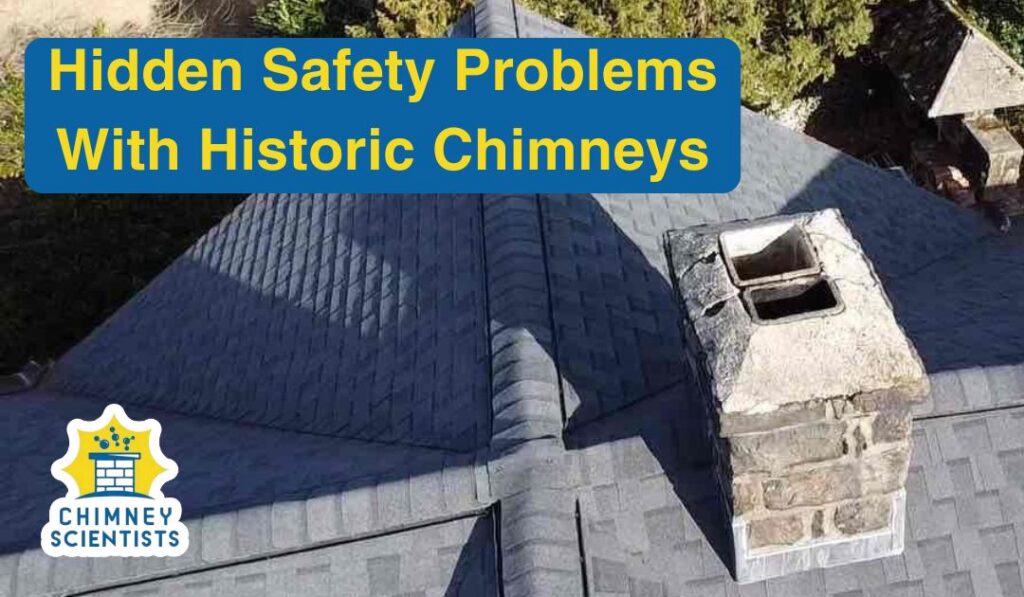
Philadelphia is one of the most historic cities in the United States, with tens of thousands of homes built before modern building codes existed. While these homes have tremendous character and charm, they also contain one of the most overlooked safety risks in residential construction: aging chimney systems.
Why Historic Chimneys Are Different
Many Philadelphia homes were built in the late 1800s and early 1900s during the coal-burning era. Chimneys from that time period were designed very differently from modern chimney systems. They often consisted of simple brick shafts without protective flue liners and were built to vent coal-burning furnaces and stoves rather than modern gas appliances.
Because these systems were never designed for today’s heating equipment, they require special attention to remain safe and functional.
The Problem With Modern Heating Systems
Over the past century, most of these homes have transitioned from coal heating to oil and then eventually to natural gas. While the heating equipment changed, the chimney systems often remained largely untouched.
This creates a dangerous mismatch between modern appliances and historic infrastructure.
Modern gas fireplace inserts, furnaces, and boilers produce cooler exhaust gases than coal systems did. These cooler gases can condense inside unlined brick chimneys, causing the interior masonry to deteriorate rapidly.
How Deterioration Leads to Safety Risks
Over time, this deterioration can lead to cracked flue passages, collapsed chimney liners, and pathways that allow carbon monoxide to leak into living spaces.
During chimney inspections throughout the Philadelphia region, it is common to encounter issues such as:
- Missing chimney liners
- Fractured terra-cotta flue tiles
- Improper venting connections
- Deteriorated mortar joints within the flue
These problems often develop slowly, but they can significantly impact the safety of your home if left unaddressed.
Why Many Homeowners Don’t Notice the Problem
In many cases, homeowners are completely unaware that their chimney systems are compromised because the damage occurs inside the chimney structure where it cannot be seen.
Unlike other parts of the home, chimneys are largely out of sight and out of mind—until a problem arises.
The National Fire Protection Association recommends that chimneys be inspected annually to ensure that they remain safe and structurally sound. Unfortunately, many homeowners only discover chimney problems after a home inspection during a real estate transaction or after a heating malfunction occurs.
Protecting Philadelphia’s Historic Homes
Philadelphia’s historic housing stock is a remarkable asset to the city, but maintaining it requires an understanding of how older systems interact with modern heating technology.
Regular inspections and proper chimney lining systems can dramatically reduce the risk of chimney fires, structural failure, and carbon monoxide exposure.
For homeowners living in older rowhomes, the chimney is often the most overlooked mechanical system in the house, yet it may also be one of the most important for safety.
Schedule a Professional Chimney Inspection
If you own a historic home in Philadelphia or the surrounding area, a professional chimney inspection is one of the most important steps you can take to protect your home and your family.
Scheduling service now can help identify hidden issues early, ensure your system is venting properly, and give you peace of mind that your chimney is safe for years to come.